





Botanic Gardens: Unearthing a World of Plants and Science
A Comprehensive Guide to Botanic Gardens
No matter where you are in the world, it’s a safe bet to assume that you’ve at least heard of a botanic garden. Even if you’ve never been to one, it’s an attraction that all of us seem to recognize exists. This even goes for those of us without any interest in flowers. Whether it’s being brought there as a child, using it as a date spot, or anything else, everyone seems to know that botanic gardens are a thing, but that’s where the extent of everyone’s knowledge tends to stop. These gardens are usually one of the most beautiful places around, due to the beautiful views of water, waterfalls, and brilliant fountains in the gardens. They are usually outdoors, open-air facilities that also include bridges over creeks and streams, with walkways that wind peacefully through the property. We’ve put together this guide to try and explain a bit more about botanic gardens to you. We’re going to discuss the gardens’ purpose, some famous examples, and just what precisely a botanic garden is.
What is a Botanic Garden?
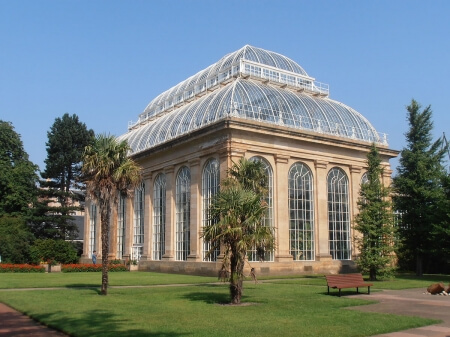
A botanic or botanical garden is a professionally maintained garden that is dedicated to the preservation, cultivation, and research of a wide variety of plants labeled using botanic names. A botanic garden may even contain types of specialist plants not typically native to the location that the garden is situated. Rare succulents and cacti are an excellent example of this. To enable this type of growth and preservation, many botanic gardens have facilities that can be used to mimic different climates. This allows the garden botanists to grow a much larger variety of flowers than they otherwise could. Facilities like greenhouses, shade houses, and more are not uncommon sites in a botanic garden and are often full of exotic and tropical plant life.
Most botanic gardens have a visitor’s center and are open to the public. To assist with raising funds and increasing the public’s botany knowledge, the garden may play host to a variety of different events. These events include tours, art exhibitions, educational displays, open-air theater, musical performances, and book rooms, to name but a few. Botanic gardens are generally run by educational institutions. These institutions typically have some relation with botany, horticulture, and herbaria. It’s also not uncommon to see scientific organizations running botanic gardens instead of an education center. These organizations and institutions typically have research programs in plant taxonomy, as well as other areas of botanic science. Access to the garden allows for these research programs to progress smoothly and offers researchers a broader array of materials. At the most fundamental level, a botanic garden’s purpose is to maintain documented records and collections of living plants to assist with scientific research, display, education, and conservation. The primary purpose of a particular garden does depend on the organization running it, though.
The Origin of Botanic Gardens
Like many of the bright and natural things we have in our world today, we can trace the existence of botanic gardens back to the Renaissance in 16th-century Italy. Precisely, the founding of various gardens is linked with the appointment of multiple professors of botany to the medical sections of universities. However, you can trace botanic gardens back much further on a theoretical and fundamental level than that. The content, objectives, and audience of botanic gardens these days closely resemble the grandiose gardens of antiquity, as well as the educational garden of Theophrastus in the Lyceum back in Ancient Athens.
For the most part, the European world occupied itself with botanic gardens and botany as medical science, which changed in the 17th century. As the exploration level outside of Europe increased, the public saw a growing interest in the plant imports being brought in from the new world. This is what ultimately allowed botany to establish its independence from medicine. Botany saw further developments again in the 18th century. During this time frame, the science experienced the creation of nomenclature and classification systems. These were devised by the botanists working with universities and in the herbaria associated with the established gardens at that time. This system was displayed in the botanic gardens as educational order beds.
During this century, European colonies were focusing on rapid global expansion. This led to the creation of various botanic gardens in the tropics, cementing botany’s place in the developing world. Economic botany became a significant part of the discipline, with a hub being established at the Royal Botanic Gardens in Kew, London. As time went on, botanic gardens, much like the cultural and scientific organizations running them, responded and adapted to the interests of botany and horticulture. In modern times, most global botanic gardens serve a variety of functions, both scientific and economical, and maintain a positive relationship with the public as an attraction.
Exploring the diverse landscapes of a botanic garden provides a serene alternative to more hectic forms of leisure. While some might find their weekend thrill in the fast-paced atmosphere of a https://crmdaily.ru/, many others are drawn to the quiet resilience of rare succulents and historical arboretums. These professionally maintained spaces do more than just display beauty; they act as critical centers for conservation and education, ensuring that the scientific study of our planet’s vegetation remains a priority for generations to come.
What is the Purpose of Botanic Gardens?
We have already touched on the primary functions of a botanic garden, with a specific focus on the scientific purpose that each one serves. However, botanic gardens and the institutions running them are multifaceted organizations, and as such different sites and departments have unique goals and purposes. In the 1800s, the director of the Royal Botanic Gardens in Melbourne, Ferdinand Von Mueller, wrote a paper that discussed the objectives of botanic gardens. He states that the objects within a botanic garden must be mainly scientific and predominantly instructive. He goes on to list the objectives of various botanic gardens around the globe, highlighting the differences between them and what he described as public pleasure gardens.
The main purposes of botanic gardens include:
- Cultivate plants for scientific research: Establishing and maintaining plant collections for studying their biology, genetics, and ecology.
- Display the diversity of plant form and use: Presenting a wide array of plants, their adaptations, and how they are utilized by humans.
- Display plants from particular regions: Creating exhibits focused on the flora of specific geographical areas.
- Display specific plant families: Focusing on the systematic arrangement of plants for educational purposes.
- Growth of plants for specific seeds or rarity: Conserving endangered species and supporting breeding programs.
- For the development of lumber trees: Studying and cultivating tree species of economic importance for timber.
- To grow plants that hold economic significance: Researching and cultivating crop plants beneficial for agriculture, medicine, or industry.
- To maintain records of plants and the performance of growth: Documenting the life cycle and characteristics of plants within the collection.
- To publish catalogs of a garden’s holdings periodically: Disseminating information about collections to scientific and educational communities.
- As research facilities, utilizing gardens’ living collection: Providing materials for botanical and ecological research.
- To assist studies in plant taxonomy: Investigating the classification and nomenclature of plants.
- To highlight different vegetation types: Showcasing various natural plant communities.
- To help with student education: Offering hands-on experience and educational resources for students.
- Established as an herbarium: Collecting and preserving dried plant specimens for scientific study.
- For the selection and introduction of ornamental plants and other atypical plants to commerce: Developing new cultivars and promoting them to the market.
- To assist studies in phytochemistry: Investigating the chemical composition of plants.
- To research the effects of plants on livestock: Studying the impact of plants on animal husbandry.
Famous Examples of Botanic Gardens
Over the centuries, many botanic gardens have grown in significance, with many serving the monarchy in the region where the garden is established. However, much like it was centuries ago, the most famous example of a botanic garden still must be the Kew Royal Gardens in London. These gardens were established as the center of botanic gardens during the expansion during the 18th century, so it’s only natural that it would hold such a position.
Not only is it the world’s most extensive collection of living plants, but it is also considered one of the most beautiful. That’s not to say that it’s the only botanic garden around, though. No matter where you are, you’re likely going to be able to find one local to your country, if not your specific region.
Other notable examples of botanical gardens include:
- Jardim Botânico in Rio de Janeiro, Brazil.
- Brooklyn Botanic Garden in New York City, USA.
- Singapore Botanic Gardens, Singapore.
- The Royal Botanic Gardens in Sydney, Australia.
- The Denver Botanic Gardens in Colorado, USA.
Massachusetts Botanic Gardens: Local Treasures
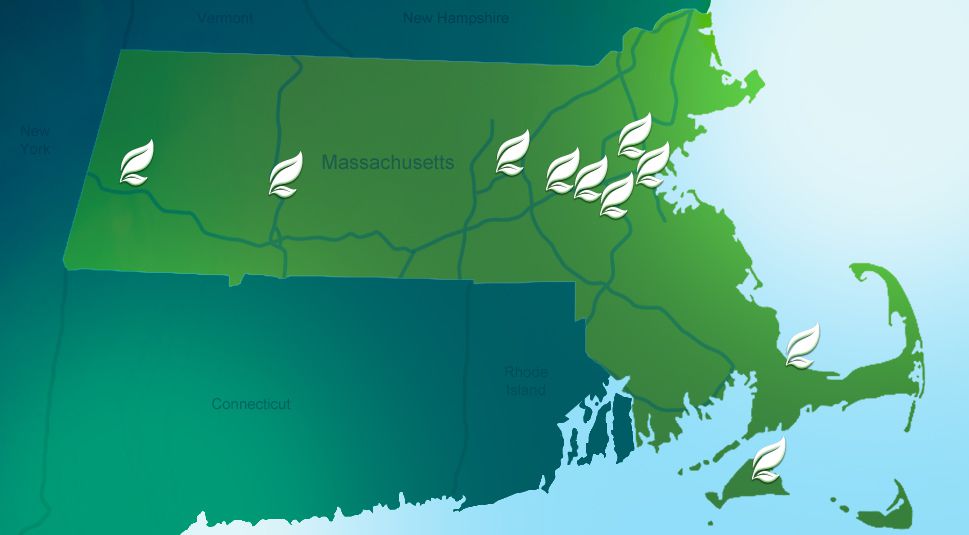
Massachusetts, with its rich history and diverse natural beauty, also boasts an impressive array of botanic gardens that offer visitors unique opportunities for education and recreation. These gardens play a vital role in preserving local flora as well as showcasing exotic species adapted to the New England climate.
Here are some of the prominent botanic gardens and related institutions in Massachusetts:
- The Arnold Arboretum of Harvard University: Located in Boston, this is one of North America’s oldest and most respected arboreta, renowned for its extensive collections of trees, shrubs, and woody vines. It serves as a living museum of plants from around the world, accessible to the public.
- Berkshire Botanical Garden: Situated in Stockbridge, it offers beautiful themed gardens, educational programs, and is an important center for horticulture and plant conservation in the Berkshire region.
- The Botanic Garden of Smith College: In Northampton, this garden serves as a living laboratory for students and displays diverse plant collections both indoors (conservatories) and outdoors.
- Tower Hill Botanic Garden: Located in Boylston, it provides inspiring gardens, greenhouses, exhibits, and educational programs, with a focus on New England plants and their adaptations.
- New England Wild Flower Society – Garden in the Woods: Its flagship garden in Framingham specializes in showcasing and conserving New England’s native flora, offering visitors a unique opportunity to experience the region’s natural ecosystems.
- Wellesley College Botanic Gardens: Part of Wellesley College, these gardens serve as an educational resource, featuring a wide range of plants and academic programs.
- Massachusetts Horticultural Society: While an organization rather than a single garden, it promotes horticulture across the state and operates its own gardens and educational initiatives.
- Mount Auburn Cemetery: This historic cemetery in Cambridge and Watertown is also designated as a National Historic Landmark, serving as an arboretum and botanic garden with extensive collections of trees and plants.
- Heritage Museums and Gardens: Located in Sandwich on Cape Cod, they encompass a variety of gardens, including a renowned rhododendron collection.
- The Polly Hill Arboretum: Found on Martha’s Vineyard, it specializes in growing and researching plants adapted to coastal conditions, many grown from seed.
These sites not only provide picturesque landscapes for relaxation but also stand as crucial centers for research, education, and the conservation of biodiversity. They play a key role in understanding and protecting the plant world for future generations.